 The Reset House
How to Design a Home Gym You’ll Actually Use
This article contains affiliate links. If you purchase through selected links, The Reset House may earn a commission at no additional cost to you. Editorial selection remains independent.
A good home gym should make training easier, not turn a spare room into a miniature commercial fitness club.
The most successful spaces begin with a routine rather than an equipment list. Perhaps you run several times a week and need dependable indoor cardio through a British winter. Perhaps strength training is the priority. Or perhaps the room needs to move between Pilates, mobility and a compact weights setup.
That distinction matters. When every square metre has a purpose, a home gym can feel like part of the house rather than somewhere equipment has accumulated.
Here is how to design one around the way you will actually use it.
Start with your training, not your shopping list
Before measuring for machines, write down what a normal training week actually looks like.
If most sessions are strength-based, devote the largest zone to lifting and clear movement space. If cardio is central, the position of a treadmill, rower or bike should be resolved first. If Pilates or mobility regularly forms part of the week, preserve enough open floor that you do not have to move heavy equipment every time you unroll a mat.
A useful question is: what do I want to be able to start within two minutes of walking into this room?
That answer should shape the space.
Think in zones
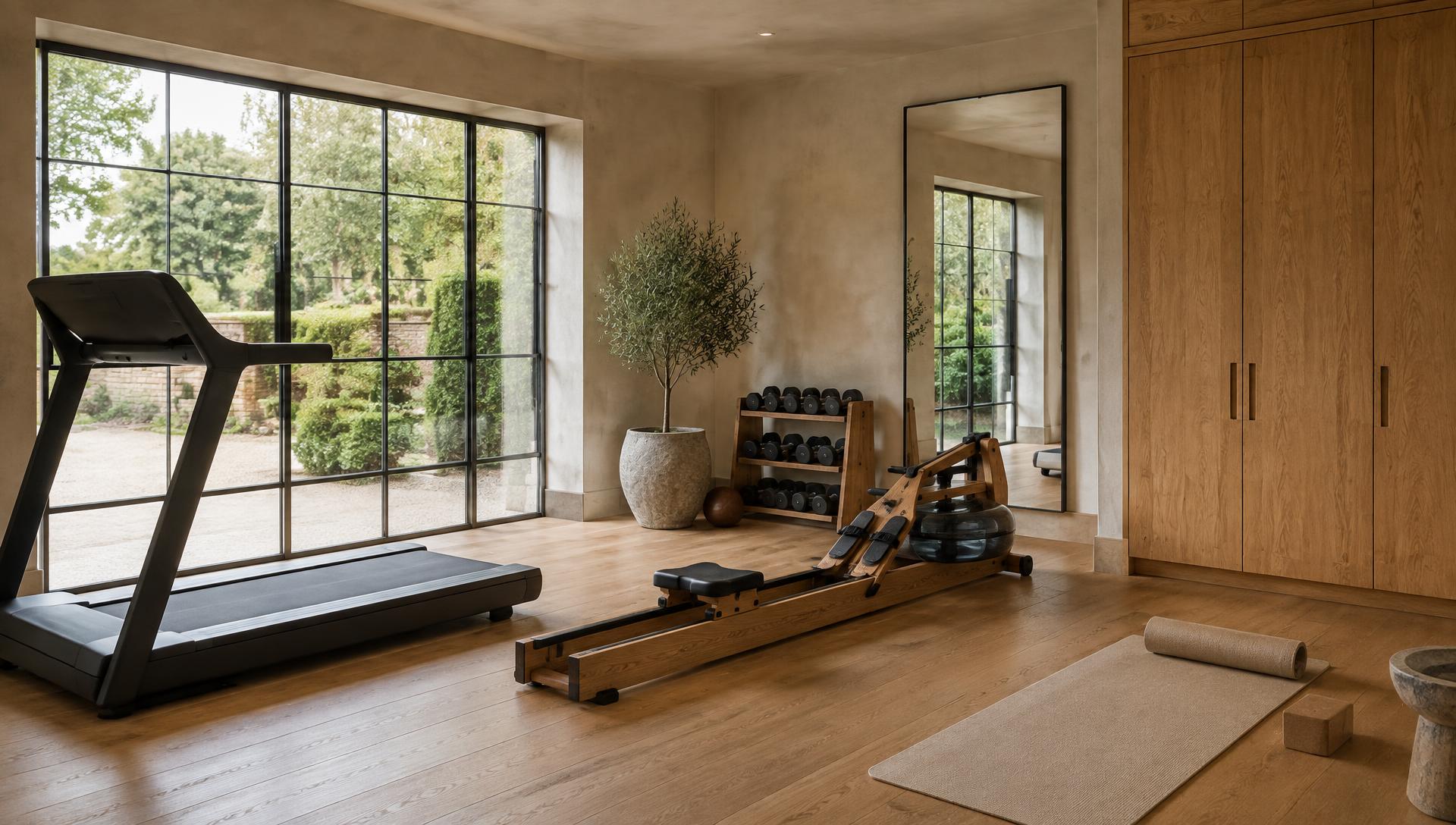
Even a relatively small room can work better when it is divided mentally into zones:
- Cardio: treadmill, rower or bike.
- Strength: multi-gym, rack, bench or free weights.
- Movement: Pilates, yoga, mobility and floor work.
- Storage: mats, bands, dumbbells and smaller accessories.
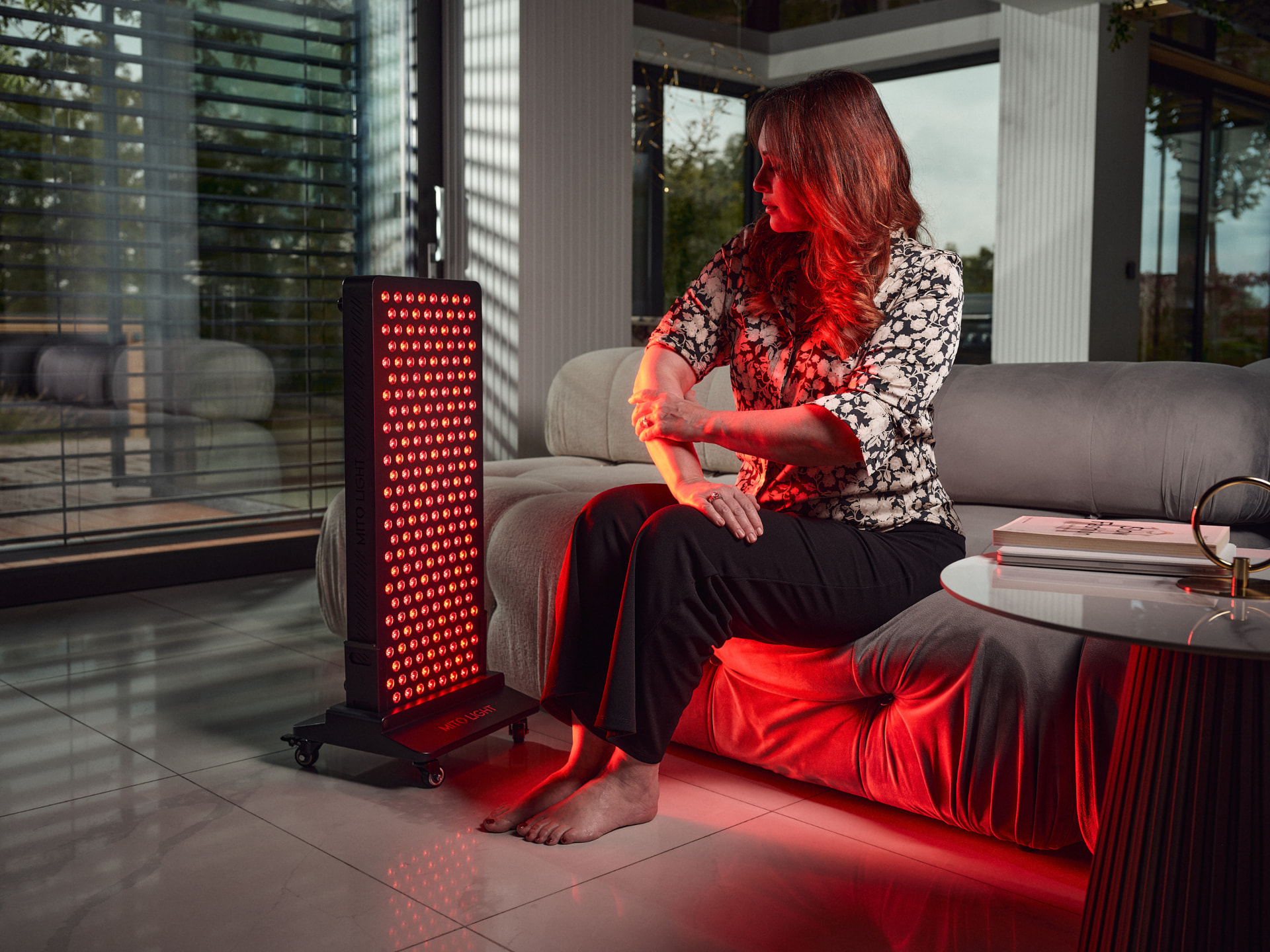
- Recovery: stretching or selected recovery technology, if it is genuinely part of your routine.
You do not need all five. In fact, choosing two or three well is usually more useful than trying to accommodate everything.
Choose cardio by the way you like to train
Large cardio equipment takes up valuable floor space, so this is an area where preference matters more than having every option.
Treadmill: for running and walking at home
A treadmill makes sense for people who already run or walk consistently and want a reliable indoor option when weather, darkness or time makes an outdoor session less appealing.
The Horizon Paragon X @Zone Treadmill from Johnson Fitness is one of the premium treadmill options currently selected for The Home Gym Collection.
Explore the Horizon Paragon X @Zone Treadmill
Its role in a room is substantial, so plan its position early rather than fitting it around smaller equipment later.
Rower: one machine, full-body movement
A rower can be particularly useful where you want cardio without dedicating the room to several machines.
The JTX Ignite AirX Rower uses air resistance and is designed for full-body conditioning and endurance work. Its long, relatively narrow footprint also creates a different spatial challenge from a treadmill: check both its in-use dimensions and the circulation space around it before buying.
Explore the JTX Ignite AirX Rower
Air bike: for intervals and conditioning
If short, higher-intensity conditioning sessions are more realistic for you than long runs, an air bike may earn its floor space more readily.
The JTX Ignite AirX Rider is the conditioning-focused option in our current edit, using air resistance that responds to effort.
Explore the JTX Ignite AirX Rider
The point is not to own a treadmill, rower and bike. Choose the form of cardio you are most likely to return to.
Build strength around versatile equipment
Home strength training benefits from restraint.
Commercial gyms can justify rows of single-purpose machines because hundreds of people use them differently. A private gym cannot. Equipment that supports several movements usually earns its footprint more effectively.
An all-in-one approach
For someone who prefers guided resistance training, the Horizon Torus 5 Home Multi Gym from Johnson Fitness brings multiple strength exercises into a single station.
Explore the Horizon Torus 5 Home Multi Gym
That can make sense in a dedicated gym where the priority is having a permanent strength setup rather than repeatedly assembling and storing equipment.
Free weights and functional training
For a more flexible setup, begin with the movements you actually programme.
A bench, dumbbells and carefully selected strength equipment may be enough for a surprisingly broad training routine. Bulldog Gear is one of The Reset House’s approved partners for strength and functional-training equipment, making it a natural place to explore this type of setup.
Before buying a large rack or station, check ceiling height, working clearance and how doors and windows affect usable wall space.
Leave room for Pilates and movement
One of the easiest mistakes in a home gym is filling every available metre.
Open floor is equipment too.
It gives you somewhere for mobility, core work, yoga, stretching and exercises that do not require a machine. If Pilates is a significant part of your routine, the reformer should be treated as a major piece of furniture and planned into the room from the beginning.
The FÔLD Reformer Bed is particularly relevant to residential spaces because it is designed with home use and space-conscious living in mind.
For a Pilates-first room, resist surrounding the reformer with unnecessary gym equipment. A reformer, mat zone, small prop collection and good storage can be enough.
Get the practical details right
The equipment is only half of the room.
Flooring
Choose flooring for the training you actually do. Heavier strength work needs a different level of protection from yoga or Pilates.
Consider impact, grip, cleaning, noise and the floor beneath it. If you are converting an upstairs room, structural loading and vibration may also deserve professional advice before installing particularly heavy equipment.
Ventilation and temperature
A room that feels comfortable while sitting still can become unpleasant quickly during cardio.
Windows, mechanical ventilation, fans and heating should be considered alongside the equipment layout. In the UK, designing for both cold winter mornings and warmer summer sessions makes the space more usable year-round.
Lighting
Natural light is valuable, but do not rely on it alone.
Layer general lighting with softer options where the room also supports Pilates, yoga or stretching. A home gym does not need to look like a commercial fitness studio.
Mirrors
Mirrors can help with movement awareness and make a smaller room feel larger, but wall-to-wall mirrors are not mandatory.
One deliberately positioned mirror often integrates more comfortably into a residential interior.
Storage
Visible clutter changes how a room feels.
Plan a home for resistance bands, mats, blocks, small weights, towels and chargers before they start collecting on the floor. Closed cabinetry can make a multifunctional wellness room feel much calmer when training ends.
Spare room, garage or garden studio?
The right location depends on the equipment and the house.
Spare room
Best when the setup is relatively light and quiet: Pilates, yoga, lighter strength work or compact cardio.
Measure doorways before ordering large machines and consider noise transfer to rooms below or beside it.
Garage
A garage can offer excellent space for strength equipment, but temperature, insulation, ventilation, flooring and moisture need more attention if the room was not designed as living space.
Garden wellness studio
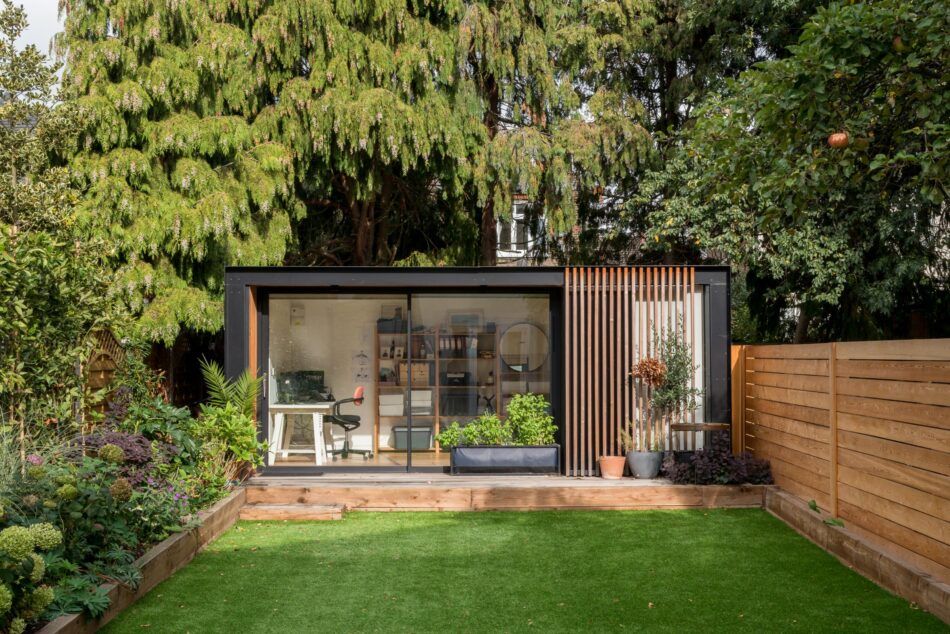
A dedicated garden room creates separation without requiring a commute.
It can work particularly well when equipment would otherwise dominate the main house, or when you want one room to combine training, Pilates and recovery.
For a deeper look at planning one, read How to Turn a Garden Room Into a Home Wellness Studio in The Reset Edit.
Make it feel like part of your home
A premium home gym does not need more equipment. It needs more intention.
Repeat materials or tones found elsewhere in the house. Use closed storage. Avoid covering every wall with fitness branding. Choose equipment that can coexist visually rather than buying each piece in isolation.
And leave negative space.
A room with enough space to move comfortably often feels more luxurious than one filled with machines.
What would we prioritise?
For most homes, we would build in this order:
- 1.Define the primary training style.
- 2.Protect enough clear floor for movement.
- 3.Add one significant piece of equipment that supports the main routine.
- 4.Build strength or cardio around versatile pieces rather than duplicates.
- 5.Solve flooring, ventilation, lighting and storage.
- 6.Add secondary equipment only after using the room for a while.
The result may be simpler than the home gyms seen on social media. That is often a good thing.
The Reset House view
The best home gym is not the one with the longest equipment list. It is the room that removes enough friction that movement becomes part of everyday life.
A treadmill used four mornings a week is more valuable than five machines chosen because a gym “should” have them. A reformer with enough room around it is better than a reformer squeezed between equipment. And an empty patch of floor can be one of the most useful parts of the room.
Design around the ritual first. Let the equipment follow.