 The Reset House
Why Does a Sauna Feel Like a Mental Reset?

This article contains affiliate links. If you purchase through selected links, The Reset House may earn a commission at no additional cost to you. Editorial selection remains independent.
The warmth gets your attention. The quiet might be what makes you come back. Here’s what research can — and cannot — tell us about sauna and mood.
There is something appealing about a place where you are expected to do very little.
No scrolling. No catching up. No squeezing another task into the day. Just somewhere to sit, feel the warmth and step outside your usual pace.
For some people, that is the real attraction of a sauna. But what sits behind that feeling of a mental reset? Is it the heat, the break, the company — or a combination of all three?
Your body is working, even while you sit still
A sauna may feel restful, but heat places demands on your body. Blood vessels near the skin widen, your heart rate rises and you sweat to help regulate temperature.
That distinction matters: feeling mentally relaxed does not mean your body is under no strain. More heat and longer sessions are not automatically better.
You can enjoy the experience without treating it as an endurance challenge. Paying attention to how you feel matters more than reaching a particular time. [1]
The ritual may matter more than we realise
Research published in Social Science & Medicine in 2026 explored sauna culture across three UK studies involving 1,907 participants.
The findings linked aspects of sauna participation with emotional wellbeing, highlighting the possible importance of belonging, shared experiences and ritual.
This was not proof that heat alone improves mental health. It suggested that the context around a sauna session may contribute to how people feel. [2]
Think of the difference between fitting in another wellness task and making time for something you look forward to. A familiar place, a conversation or an unhurried pause could be part of the appeal.
That is an interpretation of the experience, rather than a clinical promise. It also raises a useful question: are we drawn to the sauna itself, or to the space it gives us?
What does the research on mood actually show?
Scientists have investigated controlled whole-body heating as a potential intervention for depression.
A small randomised trial published in JAMA Psychiatry in 2016 found greater reductions in depressive symptoms after a supervised whole-body hyperthermia treatment than after a sham treatment, with differences observed over six weeks.
However, this was a specialised clinical protocol. It does not establish that an ordinary sauna session treats depression. [3]
Later findings add caution. A 2025 pilot trial involving 30 adults combined cognitive behavioural therapy with either active heating or a sham procedure. Both groups improved substantially, and the results did not establish an additional antidepressant benefit from active heating. [4]
There is a worthwhile research question here. There is not yet a reason to present a home sauna as a mental health treatment.
You do not need to optimise every minute
Perhaps the most useful way to approach sauna is with curiosity rather than a performance target.
If you enjoy it, notice what makes the experience worthwhile. Is it time away from your phone? A quiet moment after movement? Meeting someone regularly? Having a clear transition between work and the rest of your evening?
You do not need to chase a particular sensation or stay longer to make the session count.
Choose a reputable setting, follow its guidance, stay hydrated and avoid alcohol. Leave if you feel dizzy, lightheaded or unwell. If you have a medical condition or take medication that affects your response to heat, check suitability with a healthcare professional. [1]
A pause worth making room for
A sauna does not have to transform your health to be an enjoyable part of your week.
The research offers interesting possibilities, alongside important uncertainties. The warmth, the ritual and the social setting may all deserve attention.
For now, a grounded reason to return can be enough: you enjoy the experience, it suits your circumstances and it creates a moment you value.
Find a space for your sauna ritual
Ad · The following links are affiliate links. The Reset House may earn a commission if you purchase through them, at no additional cost to you.
If you already enjoy sauna bathing and are considering bringing the experience home, start by imagining where it would fit into your everyday life.
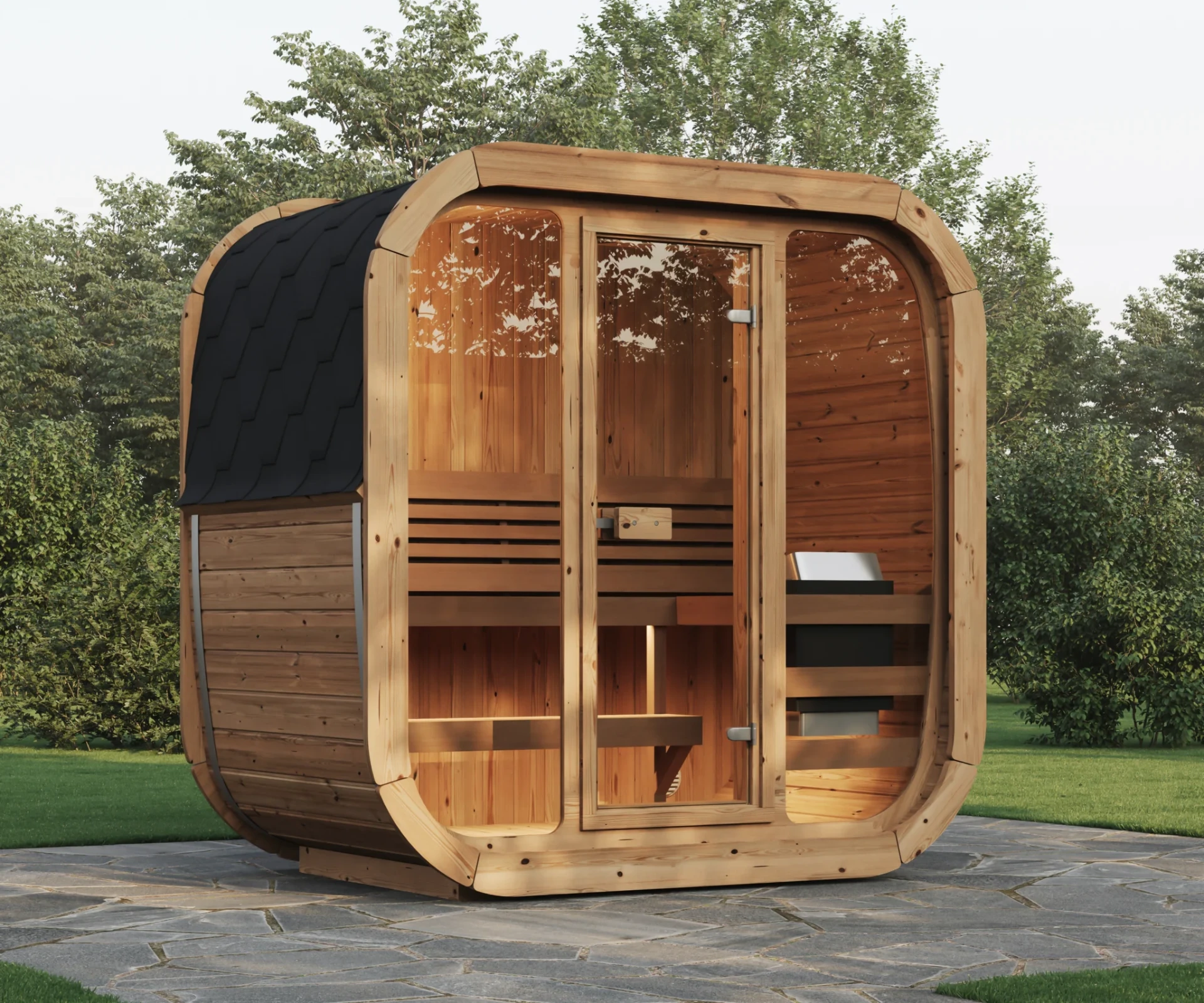
Centura Heat Hiki S — a garden sauna to share
An outdoor Thermowood option for two to four people, worth exploring if your ideal sauna ritual includes company.
Explore the Hiki S at Centura Heat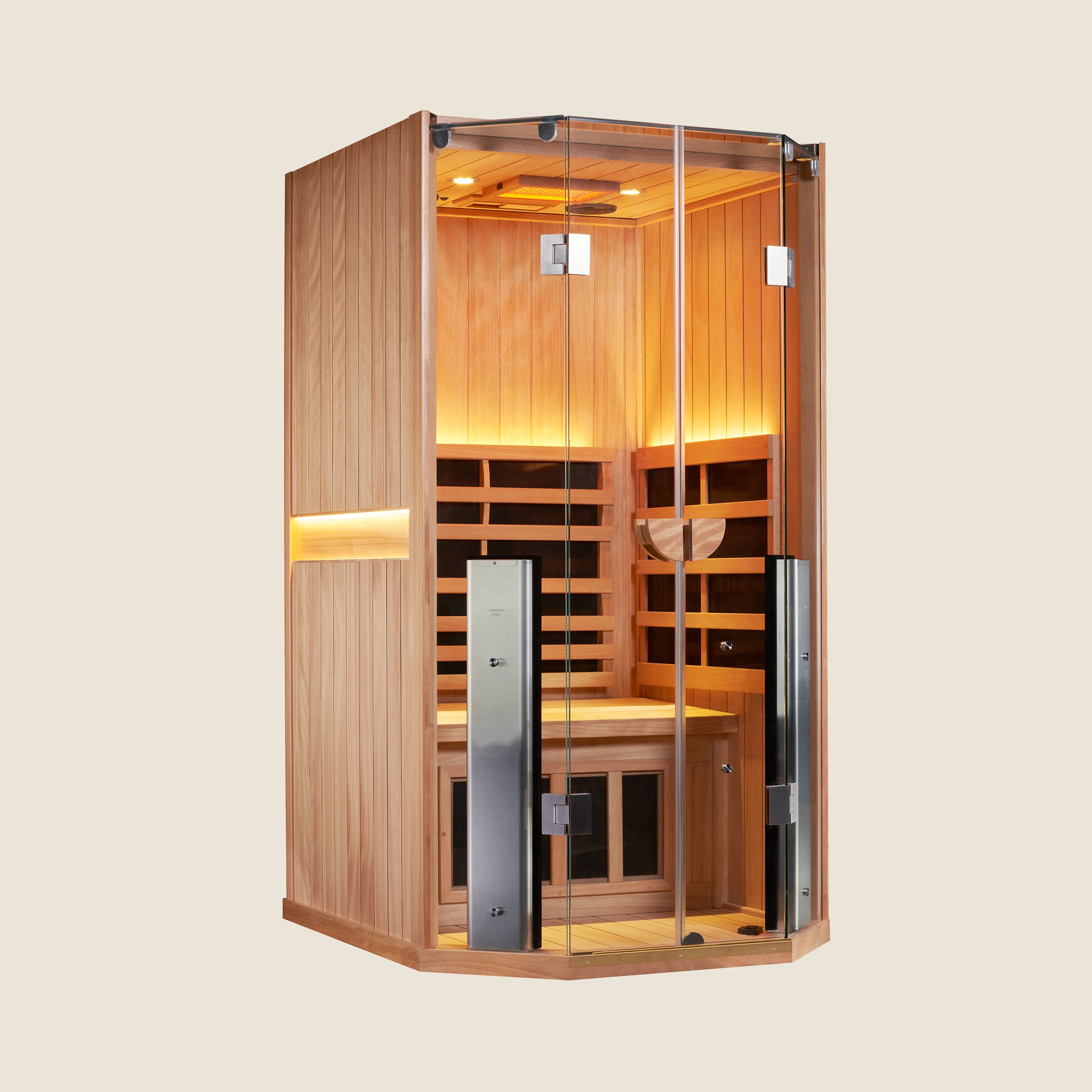
Clearlight Sanctuary 1 Person Pro — a space of your own
A single-person infrared option for those considering a dedicated indoor sauna space.
Explore the Clearlight Sanctuary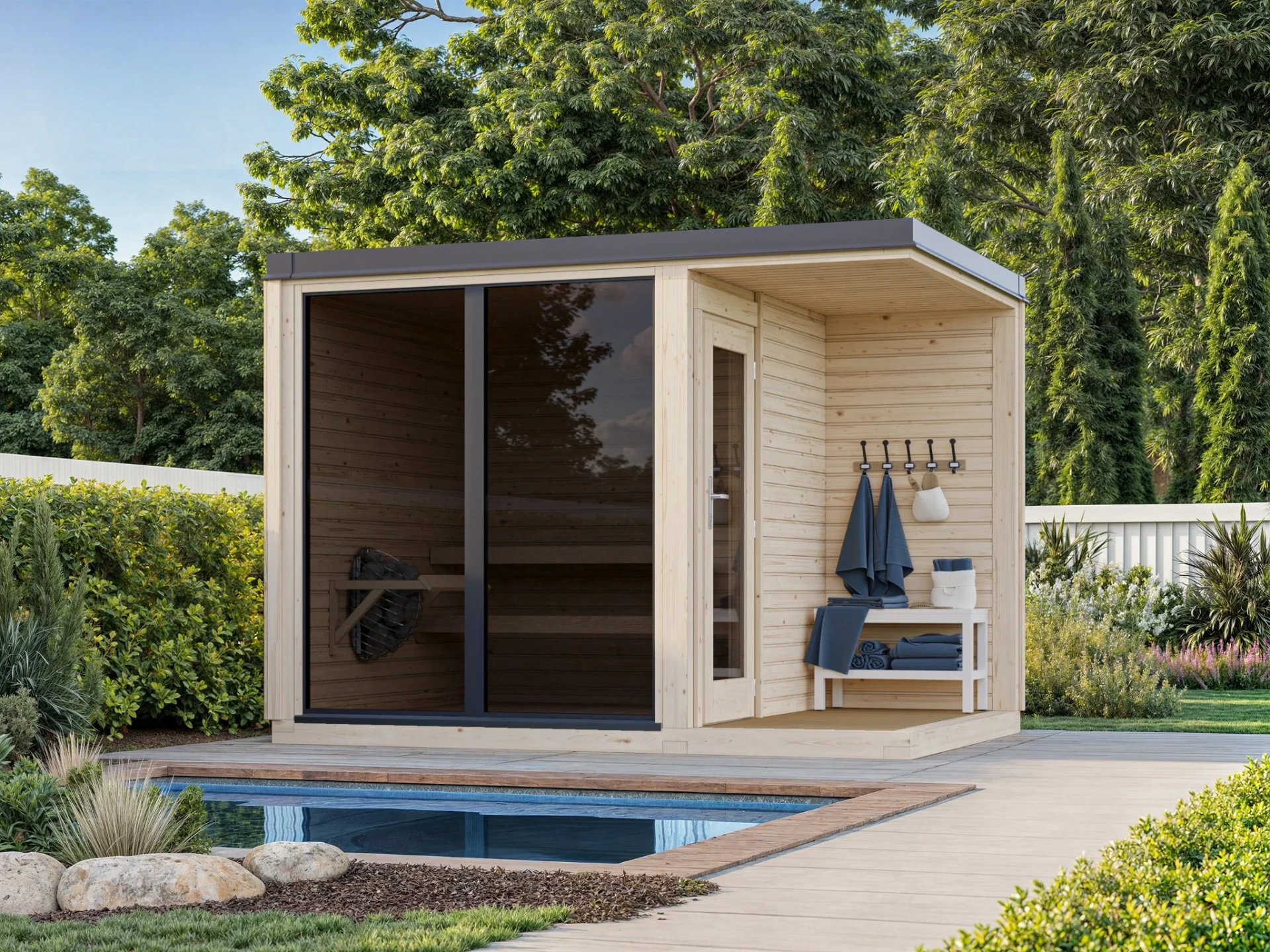
Steam & Oak Valgus 320 — a different outlook on garden wellness
A modern glass-front sauna to explore if the relationship between your sauna and its surroundings matters to you.
Explore the Valgus 320 at Steam & OakChoosing a sauna is a personal decision about space, budget and the experience you enjoy. These products have not been established to deliver the mental health outcomes discussed in this article.
- 1.Harvard Health Publishing — Sauna Health Benefits: Are saunas healthy or harmful?
- 2.Newson et al., 2026 — Sauna culture improves physical and mental wellbeing in the UK through social connection and ritual
- 3.Janssen et al., 2016 — Whole-Body Hyperthermia for the Treatment of Major Depressive Disorder: A Randomized Clinical Trial
- 4.Mason et al., 2025 — A Randomized Trial Testing a Novel Mind and Body Intervention for Depression: Cognitive Behavioral Therapy and Whole-Body Hyperthermia
This article is for general information and does not replace individual medical or mental health advice.